
Walk into almost any CrossFit gym and you'll see gym bags packed with jump ropes, gymnastics grips, knee sleeves, lifting belts, wrist wraps, shoes, tape, and plenty of other gear.
But how much of that equipment do you actually need?
The short answer: not much.
One of the great things about CrossFit is that you can walk into the gym with a pair of shoes and be ready to train. However, as you become more consistent and start developing specific skills, having your own equipment can make training more comfortable, consistent, and sometimes more effective.
Here are four of the most common pieces of equipment we see athletes use and when they may be worth adding to your gym bag.
Jump Ropes
If you are working toward double unders, buying your own jump rope is probably one of the first pieces of equipment I would recommend.
Using the same rope every time you practice can make a huge difference.
Gym ropes are great when you are getting started, but they come in different lengths, weights, cable styles, and handle sizes. If you use a different rope every workout, you are constantly adjusting your timing.
Having your own rope allows you to set it to the correct length and become familiar with exactly how that rope moves.
For athletes learning double unders, I usually recommend starting with a slightly heavier training rope rather than immediately buying the fastest speed rope available. A little extra cable weight gives you more feedback and helps you feel where the rope is during each rotation.
As your double unders improve, you can eventually transition to a lighter and faster rope.
The biggest thing to remember is that the rope does not magically give you double unders. You still have to practice your jump, wrist position, timing, and breathing.
Gymnastics Grips
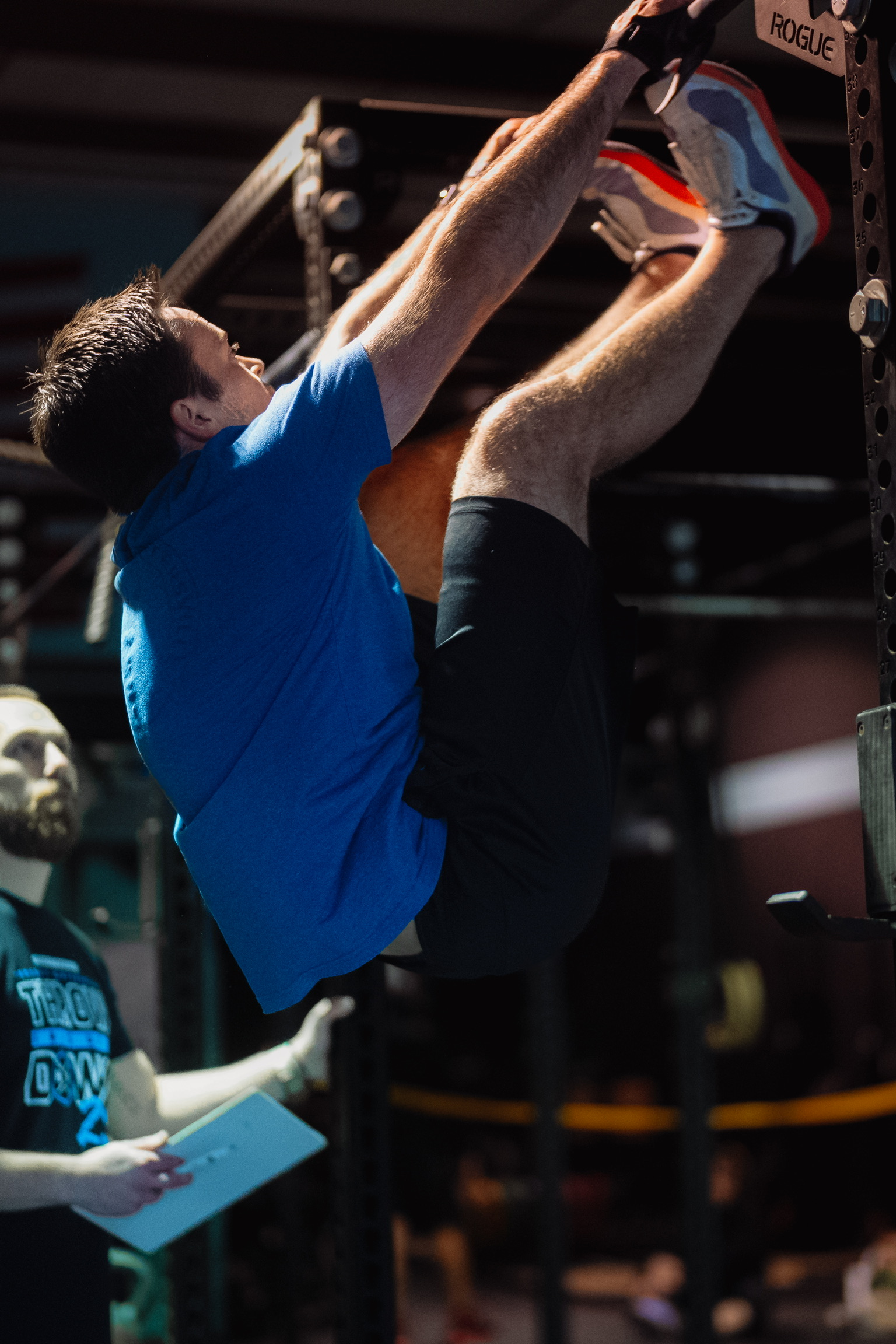
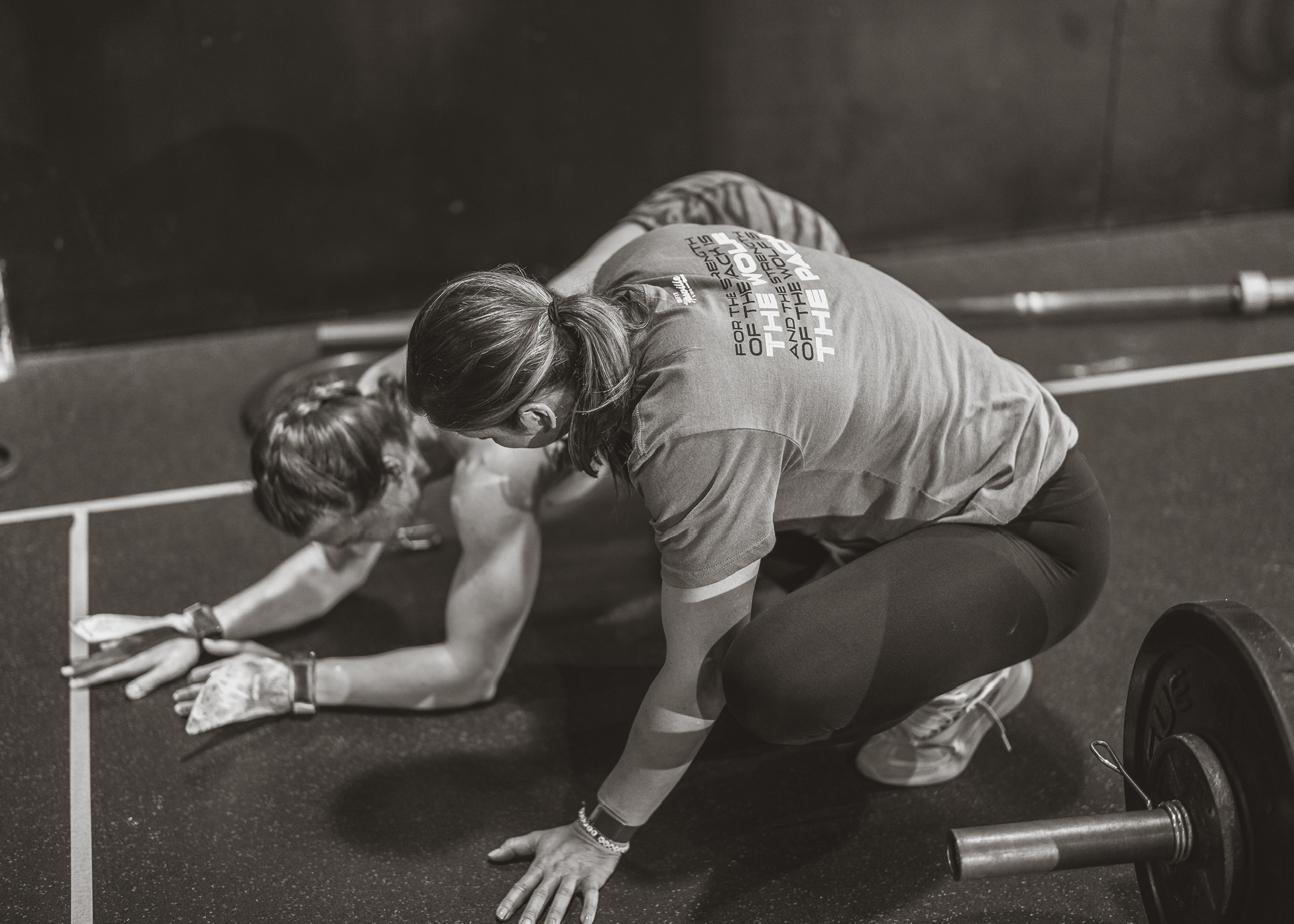
Once you begin doing higher-volume pull-ups, toes-to-bar, chest-to-bar pull-ups, or muscle-ups, gymnastics grips can quickly become one of the most valuable items in your bag.
Their primary purpose is simple: protect your hands and improve your grip on the bar.
Anyone who has ripped their hands during a workout knows how annoying it can be. A bad tear can affect your training for several days afterward. Grips help reduce friction between your hands and the pull-up bar while also allowing you to maintain a stronger grip during longer sets.
There are several different styles available, including finger-hole grips and fingerless grips. You will also see different materials and thicknesses depending on the brand.
Finding the right pair may take some trial and error. One important reminder: grips do not completely eliminate the possibility of tearing your hands. Hand care still matters. Keep calluses under control, moisturize your hands when necessary, and avoid continuing huge sets when you can feel your hands starting to become damaged. Sometimes dropping from the bar five reps earlier saves you from losing several days of training.
Knee Sleeves
Knee sleeves are another common piece of equipment you will see around the gym.
The biggest benefit most athletes notice is warmth and comfort around the knee joint.
Sleeves can feel especially good during movements such as:
Knee sleeves may also provide a small amount of compression and support, but it is important to understand what they are not.
Knee sleeves are not a replacement for proper movement, strength, mobility, or addressing an injury.
If your knees hurt every time you squat, simply putting on thicker knee sleeves is probably not the long-term solution.
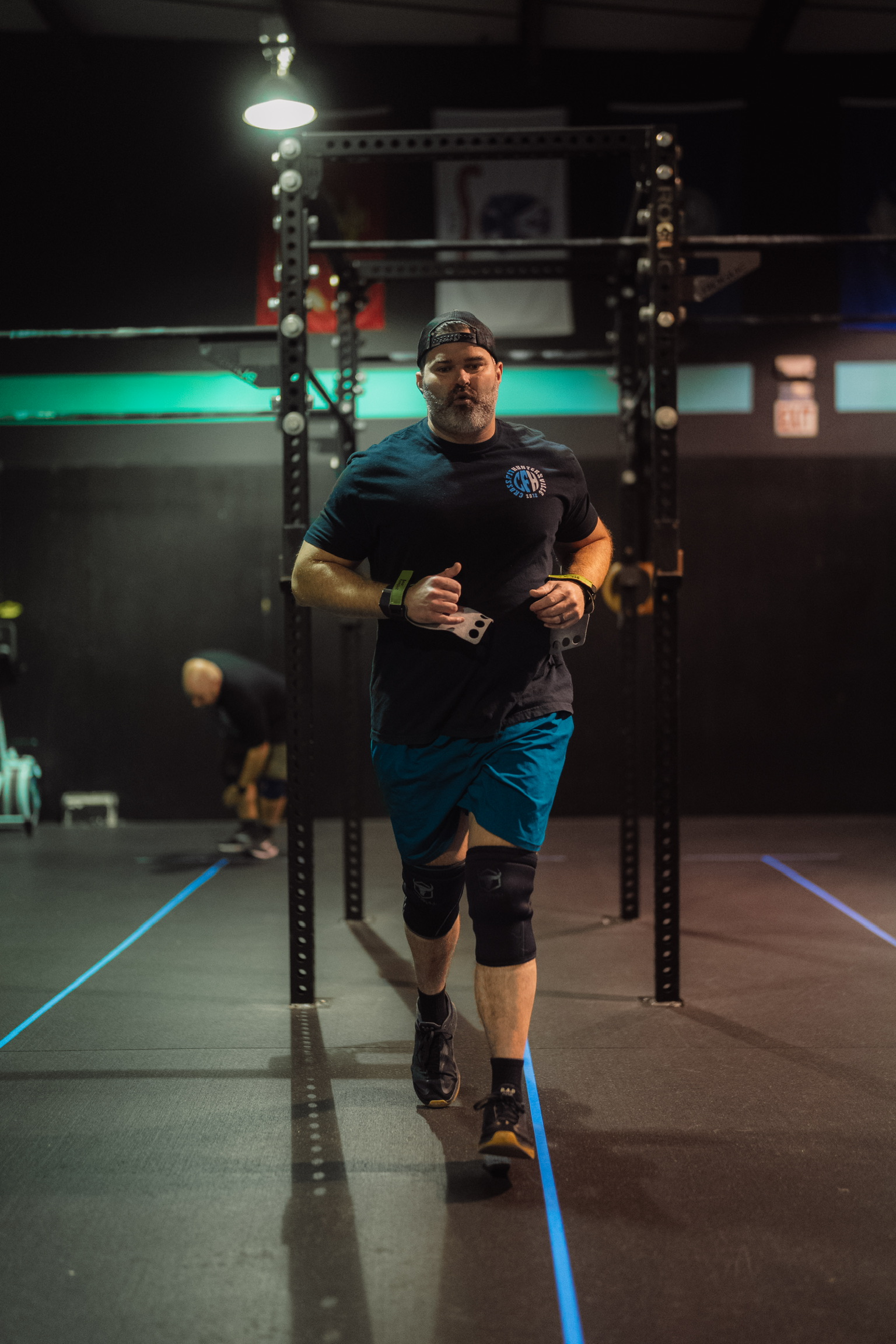
For most CrossFit athletes, sleeves in the 5mm range provide a nice balance between support, comfort, and mobility. Thicker sleeves are available, but they are generally more geared toward heavy powerlifting.
Another bonus: during workouts with lunges, burpees, or movements where your knees contact the floor, sleeves can provide a little extra protection.
Weightlifting Belts
The weightlifting belt might be the most misunderstood piece of equipment on this list.
A belt does not physically hold your back together.
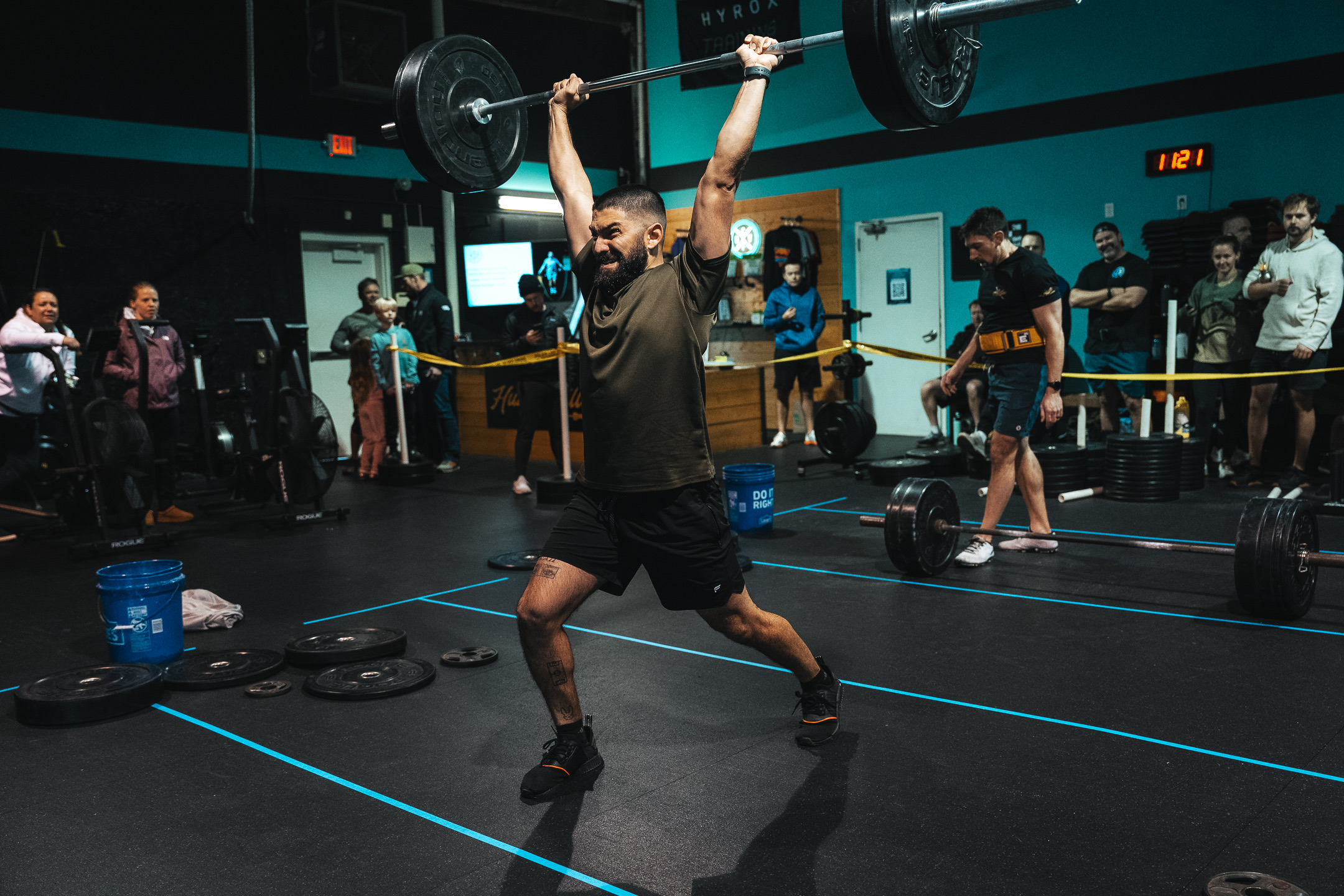
The main purpose of a lifting belt is to give your core something to brace against.
When used correctly, you take a deep breath into your abdomen and create pressure against the belt. This can help increase trunk stability during heavy lifts.
Belts are commonly used for:
That does not mean you should wear your belt for every lift.
We still want athletes developing the ability to brace and stabilize without one.
If you put your belt on during your empty-bar warm-up and never take it off, you are probably relying on it a little too much.
A good rule of thumb is to perform most of your warm-up sets without a belt and put it on as the weight becomes challenging.
You also do not need to tighten your belt as much as humanly possible. You should still be able to take a deep breath into your abdomen and create pressure against the belt.
Used properly, a belt can be a great tool. Used incorrectly, it can become more of a security blanket.
Best for: Athletes who have developed good lifting mechanics and are beginning to regularly train at heavier percentages.
So What Should You Buy First?
If you are relatively new to CrossFit, you do not need to immediately spend hundreds of dollars on equipment.
My general order would be:
1. Jump Rope
Especially if improving double unders is one of your goals.
2. Gymnastics Grips
Once pull-ups, toes-to-bar, or other hanging gymnastics movements become a regular part of your training.
3. Knee Sleeves
If you enjoy the additional warmth and comfort during lower-body movements.
4. Weightlifting Belt
Once you are comfortable with the major lifts and are regularly working with heavier loads.
Everyone is a little different, though. Someone who loves Olympic lifting may buy a belt before grips. Someone focused on gymnastics may never use knee sleeves.
And that is completely fine.
Equipment Should Help Your Training — Not Replace It
The most important thing to remember is that equipment is just a tool.
A new jump rope will not replace double-under practice.
Grips will not replace developing grip strength.
Knee sleeves will not fix poor squat mechanics.
A lifting belt will not replace learning how to brace properly.
The basics still matter most: good movement, consistent training, proper scaling, recovery, and patience. As you progress, adding a few pieces of equipment that fit your goals can make training more enjoyable and give you more consistency from workout to workout.
If you are thinking about buying something and are unsure what style, size, or type would work best for you, ask one of the coaches before you order it. We would much rather help you choose the right equipment the first time than watch you end up with another piece of gear sitting unused at the bottom of your gym bag.
For someone putting together their first real CrossFit gym bag, brands I would checkout would be:
Jump Rope: Rx Smart Gear, WOD Nation
Grips: Victory Grips, Bear KompleX, Element 26
Knee Sleeves: Rehband 5mm, Rogue 5mm
Belt: 2POOD, Rogue